Sound like no other
The human voice is the most intimate and powerful instrument we possess. It carries not just words, but emotion, character, and intent. Capturing its full essence requires more than just a quiet room and a microphone; it demands a fusion of scientific precision and artistic intuition. At DATS Music, we believe professional voice recording is an alchemy of technology, environment, and human connection. This guide delves into the critical elements that transform a simple vocal take into a captivating, professional-grade performance, whether for a chart-topping song, a compelling podcast, or a persuasive commercial.
THE FOUNDATION: CRAFTING THE OPTIMAL RECORDING ENVIRONMENT
1.1 The Acoustic Signature: Treatment vs. Isolation
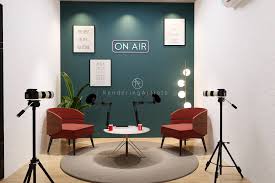
A common misconception is that a “dead” (non-reflective) room is always ideal for voice recording. The truth is more nuanced. The acoustic environment is an invisible instrument that plays alongside the voice. For intimate voice-over or podcasting, a very dry, controlled environment is often best to achieve pristine clarity. For music vocals, however, a touch of natural room ambience can add life and dimension. The key is control—having a space that can be acoustically tailored to the project’s needs. This involves strategic placement of absorption panels to combat early reflections, bass traps to control low-end buildup, and sometimes even diffusers to create a sense of space without audible echoes.
We recently recorded vocals for a rock anthem that required a powerful, larger-than-life sound. Our standard vocal booth felt too confined for the desired energy. Instead, we positioned the singer in our larger live room, using portable baffles to control specific reflections while allowing the natural character of the room to blend with her voice. The result was a massive, explosive vocal sound that felt both present and expansive. Conversely, for an audiobook narrator, we used our isolated, heavily treated voice booth to achieve absolute sonic purity, ensuring every syllable was captured without any distracting room colorations.
- Identify Your Reflection Points: Sit in your recording position and have a friend slide a mirror along the walls. Wherever you can see the microphone in the mirror is a first-reflection point that needs acoustic treatment.
- Create a Portable Vocal Booth: If a dedicated room isn’t possible, build a small isolation space using PVC pipe and moving blankets behind the performer to kill rear reflections.
- Listen for “Boxiness”: If your recordings sound like they’re coming from inside a small box, you likely have a buildup of low-mid frequencies (200-500Hz) due to room modes. Bass traps in the corners are the solution.
1.2 The Signal Chain: Your Sonic Pathway to Pro Quality
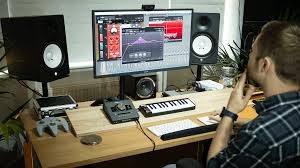
The signal chain—the path from your voice to the recorded digital file—is where professional quality is built. Every component imparts its own character. It starts with the microphone, a transducer that converts acoustic energy into electrical signal. The choice here (large-diaphragm condenser for detail, dynamic for punch) is paramount. This signal then hits the preamp, which amplifies it to a usable level. A high-quality preamp adds clean gain and often desirable harmonic coloration. Next, outboard processing like a compressor can gently control dynamics on the way in, and an equalizer can shape the tone before it becomes digital information. Finally, the analog-to-digital converter captures it all. A premium chain captures a richer, more polished sound at the source, reducing the need for corrective “fixing” later.
A voice actor came to us frustrated that her home recordings lacked the “warmth and proximity” of professional spots. She was using a USB microphone, which bundles a mediocre mic, preamp, and converter into one unit. We set her up with a Neumann U87 into a warm-sounding Neve preamp, followed by a Tube-Tech compressor adding just 2-3dB of gain reduction. The difference was staggering. Her voice immediately had the weight, clarity, and professional sheen she was missing. The dedicated, high-quality components in the chain captured the full depth of her performance that the all-in-one solution was discarding.
- Prioritize Your Preamp: If you’re on a budget, a good external audio interface with quality preamps is a better investment than an expensive microphone plugged into a cheap interface.
- Embrace “Front-End” Compression: Using gentle compression while recording (2-4dB of gain reduction) can tame peaks and create a more consistent level, making the mixing process easier.
- Gain Stage Properly: Aim for your average recording level to peak around -18dBFS. This provides ample headroom to avoid clipping while maintaining a healthy signal-to-noise ratio.
SPECIALIZED APPLICATIONS: BEYOND THE MUSIC STUDIO
3.1 Voice-Over and Audiobook Narration
Voice-over recording has its own unique set of demands. The performance is often more intimate and conversational, requiring extreme consistency over long periods. The editing standards are also different; breaths are often reduced (though not always removed), and the pacing must serve the copy. For audiobooks, the narrator must maintain a consistent tone, character voice, and energy level across many hours of recording. This requires not only vocal stamina but also meticulous technical consistency to ensure all recordings, even those done on different days, seamlessly match.
For a long-form audiobook project, we implemented a rigorous consistency protocol. We documented the exact microphone position, input gain settings, and the narrator’s position in the room. At the start of every session, we recorded a “match clip” of the narrator reading a standard paragraph, which we compared to the reference from the first session to ensure the tone was identical. We also provided the narrator with a large, high-contrast monitor for the script and a dedicated “punch-in” foot pedal, allowing them to seamlessly correct flubs without breaking their performance flow, drastically speeding up the process.
- Stay Hydrated with Room-Temperature Water: Cold water can temporarily tense vocal cords. Sipping room-temperature water is best for vocal stamina.
- Stand Up: For most voice-over work, standing up (or sitting on a tall stool) promotes better breath support and a more confident, projected delivery.
- Mark Your Script: Use a pencil to mark breathing points, emphasis, and difficult words on your physical script before you begin.
CONCLUSION
Professional voice recording is a multifaceted discipline where the science of acoustics and signal flow meets the art of performance and human psychology. By understanding and respecting both the technical and human elements, you can consistently capture vocal performances that are not just clean and clear, but alive with emotion and character. At DATS Music, we’ve built our world-class reputation on this holistic approach, providing Houston’s artists and storytellers with the environment and expertise to make their voices heard in the most powerful way possible.
Ready to capture a vocal performance that stands out? Whether it’s for your next song, podcast, or commercial, the experts at DATS Music are here to help.